Best Plant-Based Protein Powders in 2026
We may earn a commission when you buy through links on this site, at no extra cost to you. We only recommend products we believe in based on published specifications and practical research. Read our full affiliate disclosure.
Plant protein powders now match whey on protein content and often beat it on ingredient transparency. Pea, soy, and rice proteins are the common bases, and blends combine them for complete amino acid profiles.
We compared popular plant powders using published nutrition facts: protein per serving, amino acid completeness, and added ingredients. Picks are based on nutrition information rather than taste testing.
Single Source or Blend
Pea protein is strong in lysine but lower in methionine; rice protein is the opposite. Blends of pea and rice cover each other's gaps and provide a complete profile similar to whey.
Soy protein is complete on its own and backed by decades of research, though some people avoid it for personal or allergy reasons.
Check protein per scoop and the label for thickeners, gums, and added sugar. Many plant powders have a chalky or gritty texture that brands hide with flavoring, so texture matters.
- Protein grams per serving
- Complete amino acid profile or complementary blend
- Digestive enzymes and probiotics for comfort
- Added sugar and artificial ingredients
- Texture and mixability
The Best All-Around Plant Protein
Orgain
Orgain Organic Plant Protein Powder
Best all-around pick
Best for: Everyday users who want organic, clean-label nutrition
- 21 g of protein from pea, brown rice, and chia
- 2 g of fiber per serving
- Organic, non-GMO, gluten-free
- Available in many flavors plus unflavored
What we like
- Clean ingredients
- Good protein count
- Widely available
Considerations
- Thicker texture than whey
- Higher carbohydrate count
The Best Plant Protein for Athletes
Garden of Life
Garden of Life Sport Plant-Based Protein
Best for athletes
Best for: Competitive athletes who want third-party certification and full amino acids
- 30 g of protein from pea and sprouted grains
- Certified for Sport by NSF
- 5.5 g of BCAAs
- Added BCAAs and tart cherry for recovery
What we like
- High protein
- Third-party tested
- Recovery-focused formula
Considerations
- Premium price
- Heavier flavor profile
The Best Budget Plant Protein
Vega
Vega Protein and Greens
Best budget pick
Best for: Busy users who want protein plus greens in one scoop
- 20 g of protein from pea, pumpkin, and sunflower
- One serving of greens per scoop
- Probiotics for digestion
- Non-GMO and gluten-free
What we like
- Two-in-one formula
- Plant-based complete protein
- Reasonable price
Considerations
- Greens flavor may take getting used to
- Contains stevia, which not everyone likes
Blending Plant Protein Smoothies
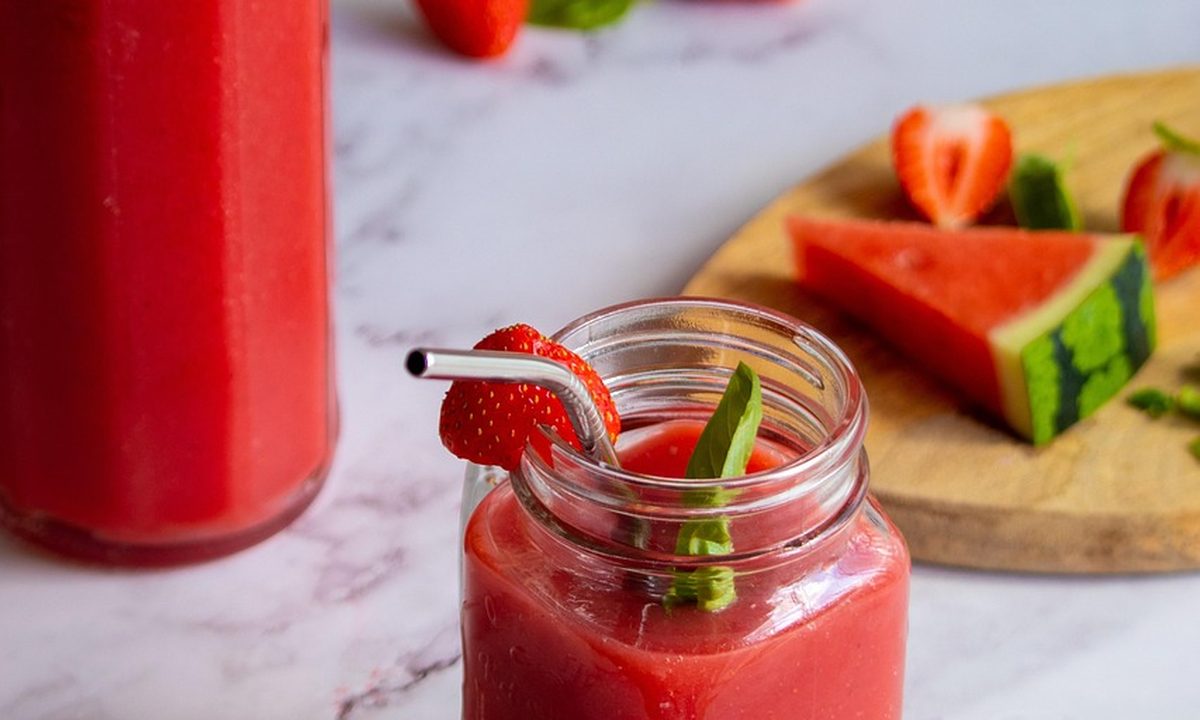
Plant powders blend best with a banana or frozen berries and a little nut butter for texture. Add plant milk rather than water for a creamier shake.
If your powder causes gas, try a version with digestive enzymes, start with half a scoop, and drink it slowly. Many people adjust within a week.
Is plant protein as effective as whey for muscle?
With a complete amino acid profile and enough total protein, plant powders support muscle building similarly. Leucine content is the key factor to check.
Why does plant protein taste different?
Pea protein has an earthy base flavor and a grittier texture than whey. Stronger flavoring or blending with fruit covers it best.
Can plant protein upset my stomach?
Some people experience bloating from pea or soy protein. Try a blend with digestive enzymes and increase serving size gradually.
Bottom line
Choose a complete-protein blend from a brand whose texture and flavor you enjoy, and check protein per scoop against your daily target. Third-party testing adds confidence for serious athletes.