Best Fitness Trackers and Smartwatches in 2026
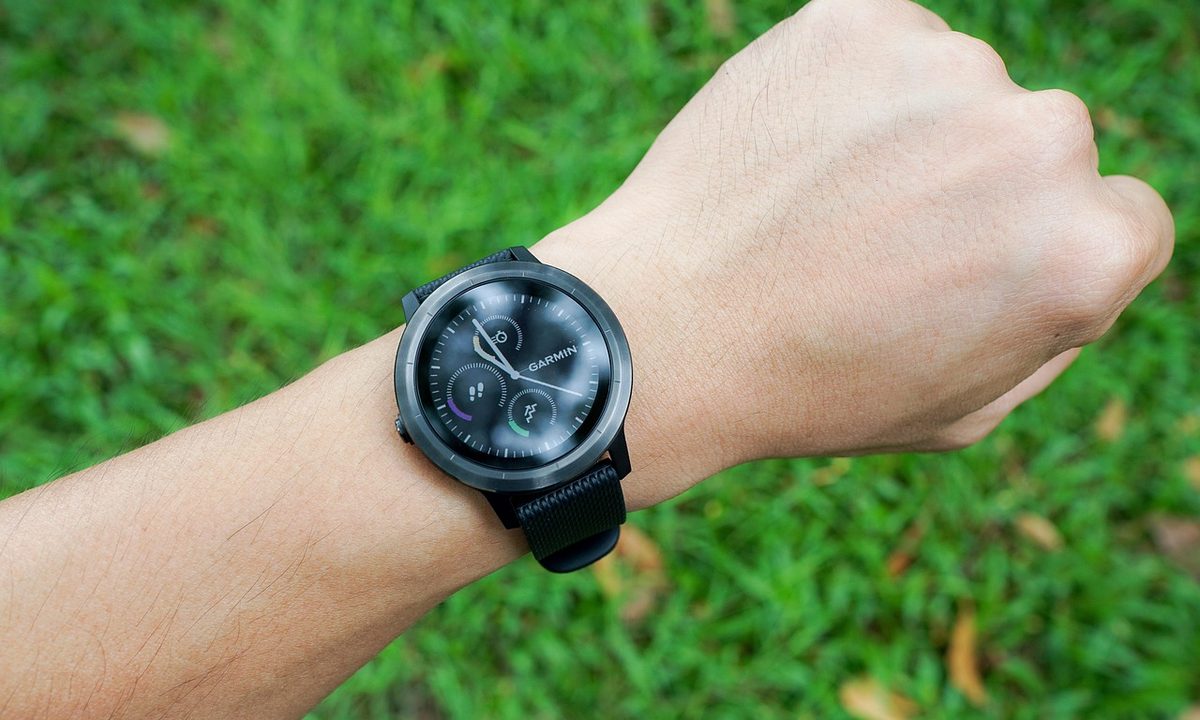
We may earn a commission when you buy through links on this site, at no extra cost to you. We only recommend products we believe in based on published specifications and practical research. Read our full affiliate disclosure.
Today's premium wearables blend training analytics, recovery insights, and smartwatch convenience. The right choice depends on whether you race, swim, train in the gym, or just want a health dashboard on your wrist.
We compared the leading 2026 wearables using published specifications: GPS, sensor suite, battery life, and ecosystem integration. Picks are based on design and intended use rather than lab testing.
Wrist Watch or Fitness Band
Fitness bands are lighter, cheaper, and last longer between charges. Smartwatches add apps, maps, payments, and bigger screens at the cost of battery life and weight.
For serious training metrics, look for dual-band GPS, recovery and training load features, and an optical sensor that supports your main sports. Swimmers should check the water resistance rating and pool tracking modes.
- GPS accuracy and multi-band support
- Training metrics: load, recovery, VO2 max estimates
- Battery life for your longest sessions
- Water resistance and pool tracking
- App ecosystem and phone compatibility
The Best All-Around Smartwatch for Athletes
Apple
Apple Watch Series 10
Best for iPhone users
Best for: iPhone owners who want deep health tracking plus full smartwatch features
- Advanced health sensors including sleep apnea notifications
- Fast charging with up to 18 hours of all-day battery
- Water resistance for swimming and water sports
- Deep integration with iPhone, Maps, and Apple Fitness+
What we like
- Best-in-class health features
- Large, bright display
- Excellent app ecosystem
Considerations
- iPhone required
- Daily charging
- Premium price
The Best Watch for Serious Runners
Garmin
Garmin Forerunner 265
Best for runners
Best for: Runners who want advanced training metrics and multi-day battery life
- AMOLED display with dual-band GPS
- Training readiness, recovery time, and race predictions
- Up to 13 days of smartwatch battery life
- Advanced running dynamics and HRV status
What we like
- Superb GPS accuracy
- Deep training metrics
- Long battery life
Considerations
- Less smartwatch functionality
- Learning curve in the app
The Best Value Premium Band
Fitbit
Fitbit Charge 6
Best value band
Best for: Users who want premium tracking in a comfortable, affordable band
- Built-in GPS with route tracking
- Advanced health metrics including ECG and EDA
- 7-day battery life
- Google integration for maps and payments
What we like
- GPS in a band form factor
- Strong health features
- Comfortable to wear all day
Considerations
- Some insights require Premium
- Smaller screen than watches
Making Your Data Work For You
Pick two or three metrics that matter to your goal, such as weekly training load, sleep duration, or resting heart rate. Tracking everything is a recipe for data fatigue.
Sync your wearable with a training log and review trends weekly rather than daily. Recovery suggestions are most useful when they match how you actually feel.
How accurate is wrist-based heart rate during exercise?
Modern wrist sensors are accurate enough for most training, especially during steady effort. For intervals and very precise work, a chest strap is still more reliable.
How often should I replace my fitness tracker?
Most wearables last 2 to 4 years before battery health drops noticeably. Replace it when the battery no longer covers your longest activity or when software updates stop.
Can a smartwatch replace a running watch?
For casual running, yes. For structured training with intervals, recovery metrics, and race predictions, dedicated sports watches such as Garmin remain the stronger choice.
Bottom line
Choose by ecosystem and sport: Apple Watch for iPhone users, Garmin for structured training, and a premium band for all-day comfort with GPS. Battery life and the metrics you will actually use should drive the decision.